
Your skin doesn't need a 10-step routine. Neither does the planet.
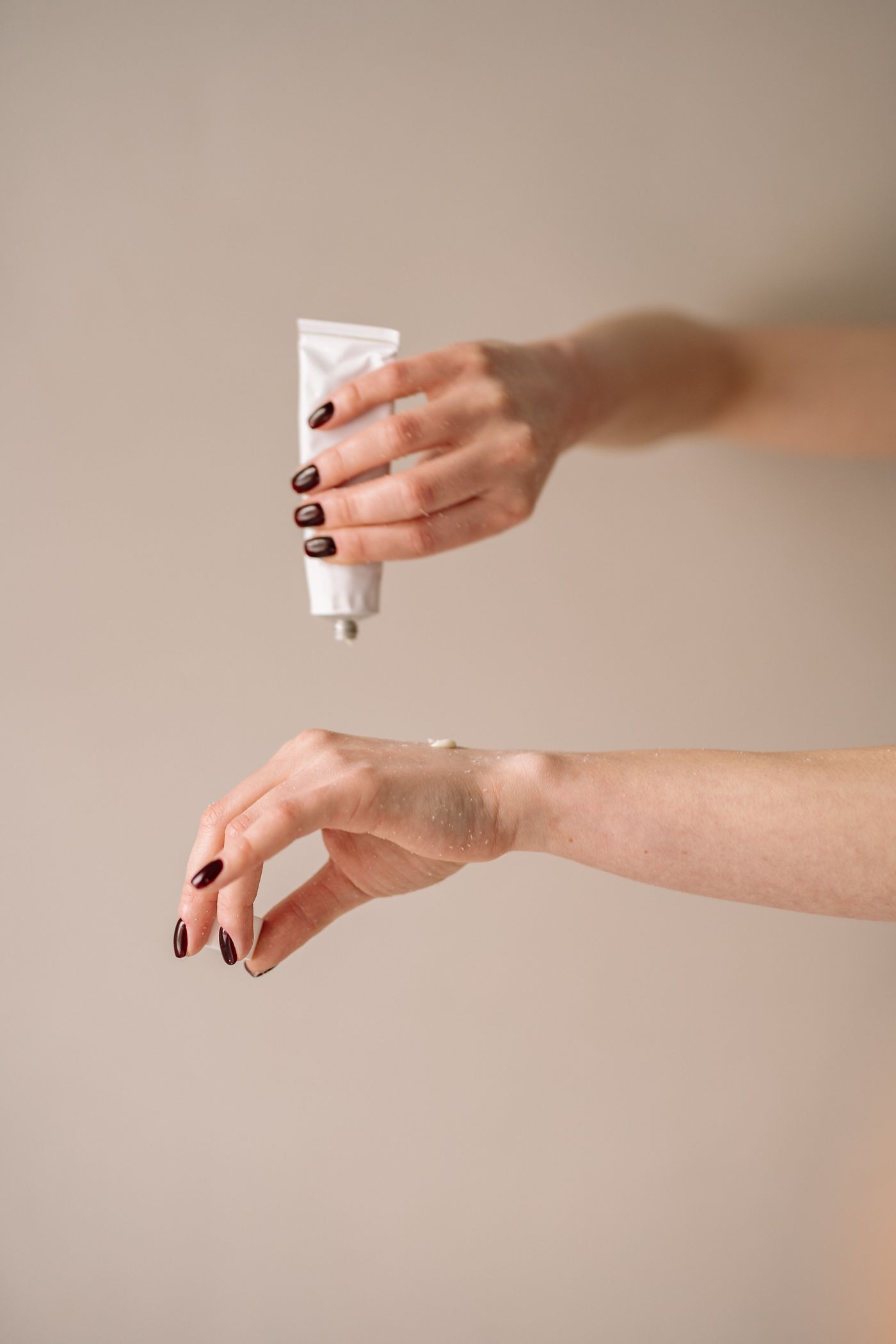
It's October. Your skin is getting dry, the heat is coming on, and the internet would like to sell you seven new serums. We have another idea.
Somewhere along the way, washing your face and putting on moisturizer became a multi-step event requiring its own shelf, vocabulary and monthly budget.
There's the cleanser, toner, essence, serum, second serum, moisturizer, facial oil, overnight mask and whatever ingredient TikTok has collectively decided we're deficient in this week.
And now we're supposed to have different routines for different seasons?
I've spent years selling skincare and personal-care products, so I'm probably not supposed to say this, but there's a decent chance you don't need most of what the beauty industry is trying to sell you.
Not because skincare doesn't matter. It does. But there's a pretty significant difference between caring for your skin and continually shopping for ways to improve it. And that difference has environmental, financial and social consequences worth talking about.
when did skincare become a hobby with a shopping requirement?
For some people, skincare genuinely is a hobby. They enjoy trying products, learning about ingredients and spending time on their routines. Nothing wrong with that.
What's more interesting is how the industry has managed to turn an optional interest into something that increasingly feels like a requirement.
Take the explosion of skincare content aimed at children.
the research, without the 40-page detour
A 2025 study of 200 social-media posts about skincare for preteens examined the products being promoted to children aged 9–12. More than half of the posts promoting products featured items beyond basic cleanser, moisturizer and sunscreen. The average advertised product cost was about €28.
The study wasn't designed to prove that children purchased everything they saw. It does reveal the range and price of products being marketed to them.
Twenty-eight euros. Per product. For children who, in many cases, don't have a skincare problem requiring treatment.
A separate 2025 qualitative study involving girls and young women documented how social-media beauty content shaped appearance expectations and the desire to buy products, even when participants recognized the unrealistic standards being presented.
There's something uncomfortable about teaching kids that caring for themselves requires an increasingly expensive collection of products designed to correct imperfections they may not even have noticed.
And adults aren't exactly immune to that message either.
the most sustainable serum might be the one you don't buy.
We talk a lot about the environmental impact of packaging. It's visible, tangible and relatively easy to understand.
But before a skincare product reaches your bathroom, quite a lot has already happened.
Ingredients have been grown, extracted or manufactured. Formulations have been processed. Water and energy have been used. Products have been filled, transported, stored and sold.
And eventually, hopefully, used.
A life-cycle assessment in Environmental Science & Technology examined nine home-care and personal-hygiene products. It found that ingredient production and consumer use can both contribute substantially to environmental impacts, although the balance varies by product.
That doesn't mean owning six skincare products is exactly twice as environmentally damaging as owning three. Environmental impacts don't work that neatly.
But it does mean the environmental cost of a product isn't limited to what you throw away when it's empty.
The serum that didn't agree with your skin. The mask you used once. The moisturizer you replaced because something more exciting appeared on your feed. Their production impacts have already happened, even if the products spend three years quietly aging in a drawer.
That's the part of beauty overconsumption I'd like to see discussed more often. Not just how to make our purchases greener, but whether all those purchases needed to happen in the first place.
sometimes more skincare is actually worse for your skin.
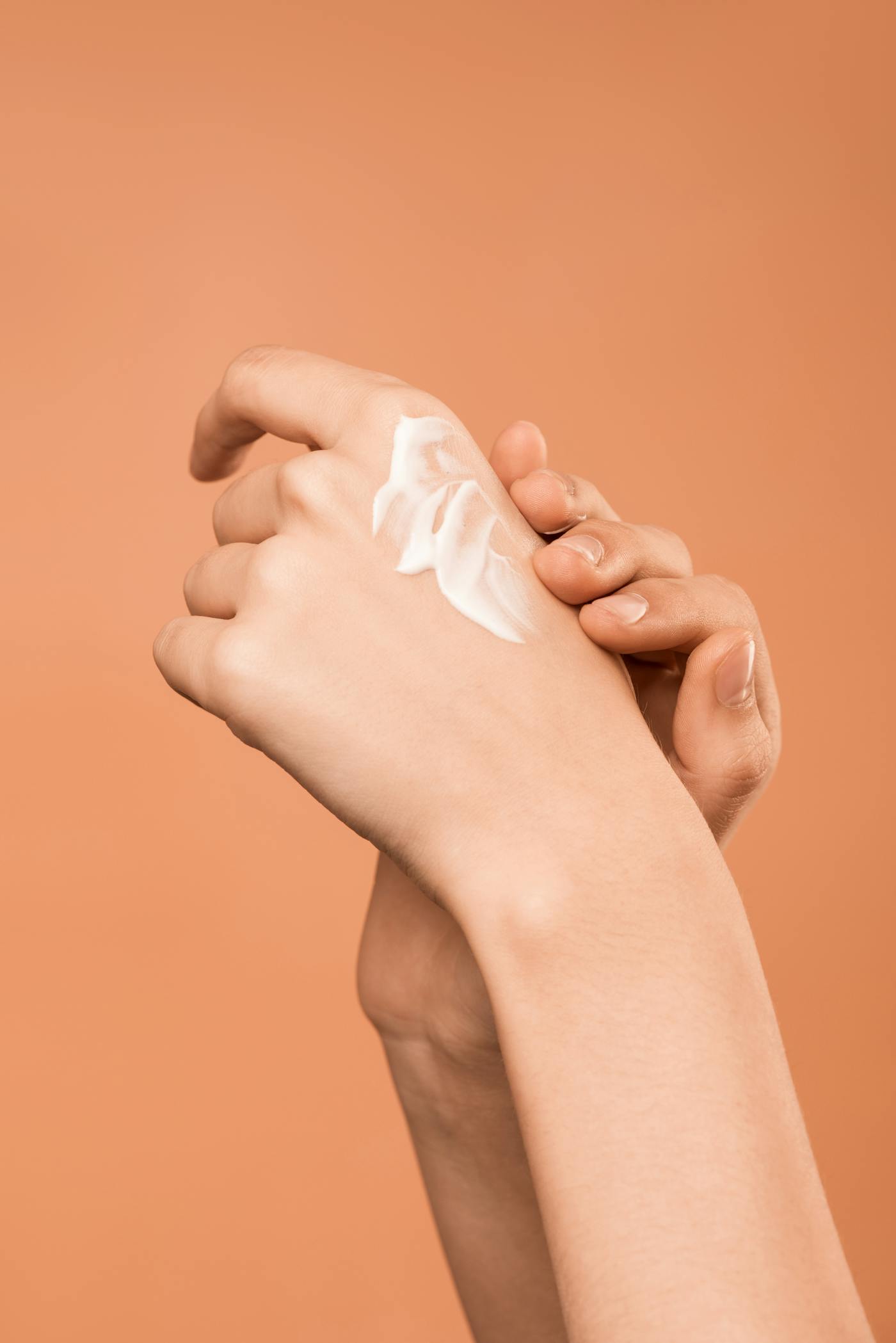
A longer skincare routine isn't automatically harmful. But each new product introduces more ingredients and more opportunities for irritation, particularly when exfoliating acids, retinoids and other active treatments are combined without a clear reason.
That doesn't mean combinations are inherently dangerous. Some people benefit from multiple products, and targeted treatments can be genuinely useful.
But imagine introducing an acid, a new serum, a fragranced mask and a richer moisturizer in one week. If your skin reacts, which one caused it?
Changing one thing at a time makes it considerably easier to understand what works. Unlike buying five products, it also doesn't require five purchases.
okay, but why does your skin actually get drier in october?
There is a real reason many people notice changes when temperatures fall. The outermost layer of your skin helps retain moisture and protect against irritants. Low humidity and cold conditions can affect that barrier, and indoor heating can lower relative humidity too.
Supporting your skin barrier doesn't require memorizing an encyclopedia of ingredients. Most moisturizers draw on three useful functions:
Attract and retain water. Think glycerin and hyaluronic acid.
Soften and smooth. Think shea butter and some plant oils.
Help slow water loss. Think waxes, petrolatum and some oils.
Many well-formulated moisturizers combine several of those functions in one product. Which means you may not need a separate bottle for every ingredient with a good publicist.
And your basic lotion doesn't suddenly become inadequate because someone on Instagram has started calling their routine a barrier-repair protocol.
expensive doesn't automatically mean effective.
It's surprisingly easy to spend $100 or more assembling a routine from products that individually seem reasonably priced. A cleanser here. A serum there. Something for brightening. Something for texture.
Before long, skincare starts resembling a subscription service you never consciously signed up for.
Expensive products aren't inherently bad, and inexpensive ones aren't automatically equivalent. Formulation, stability, testing and suitability for your skin matter. But price alone doesn't establish better results.
I'd rather see someone find an affordable moisturizer that works and repurchase it consistently than feel obligated to keep experimenting with products they can't comfortably afford.
a little october reality check for your bathroom shelf.
before you add to cart
- is your current moisturizer working? Keep using it. Your routine doesn't need a seasonal rebrand.
- does your skin feel tight after washing? Consider your cleanser, water temperature and how often you wash.
- have you got half-used products? Check their condition and expiry or period-after-opening information before adding something else.
- is something irritating your skin? Don't force yourself to finish it for environmental brownie points. Persistent irritation deserves professional advice.
For many people, a manageable routine can be a gentle cleanser, a suitable moisturizer and appropriate sun protection. People managing acne, eczema, rosacea or other conditions may need more targeted care.
The number of steps isn't the measure of a good routine. Whether those steps meet your needs is.
make a little, use it up
a two-ingredient balm for the dry bits.
We carry DIY ingredients at bare market, and I'm a big believer in making small quantities of useful things when it makes sense. But I'm not suggesting you buy 14 ingredients and specialized equipment to recreate something you could buy for $8.
For particularly dry hands, elbows or rough patches, this rich little balm is about as uncomplicated as it gets.
makes 20 gwhat you'll need
- 15 g shea butter
- 5 g jojoba oil
- A clean, completely dry small jar
how to make it
- Weigh shea butter into a clean, dry, heat-safe container.
- Gently melt over a warm-water bath.
- Remove from heat and stir in jojoba oil.
- Transfer to your jar and let cool until firm.
How to use: Apply a small amount to dry areas, ideally after washing or bathing while skin is still a little damp. This is a rich oil-based balm, not a universal facial moisturizer.
Small-batch common sense: No added water means fewer preservation complications than a homemade lotion, but it doesn't mean indefinite storage. Keep equipment and jar dry, avoid introducing water, make a small amount, and discard it if its smell or appearance changes. Patch test first. Avoid use on broken or infected skin. And if you already have a cream that works, use that instead.
what does a lower-waste skincare routine actually look like?
Probably a lot less exciting than the internet would have you believe.
Maybe it's three products you consistently finish. Maybe it's more involved because you're managing a particular condition. Maybe you enjoy skincare but have become choosier about what you bring home.
There's no universal number of products that makes a routine sustainable. What matters is whether purchases have a purpose, whether you use what you buy and whether the routine is realistic for your skin, budget and life.
Sometimes we make sustainable consumption unnecessarily complicated by turning it into another shopping category. First we convince people they need a collection of products. Then we offer a different collection to make them feel better about the first one.
Not exactly the reduction in consumption we were hoping for.
At bare market, we sell body lotions, face creams, oils, lip balms and DIY ingredients. Of course we'd love for you to find products here that work for you. But I'd rather you come back for one moisturizer you genuinely love than buy six things that aren't right for your skin.
the october skin edit
your skin knows it's october.
A small collection of options for skin that genuinely needs something, from body lotions to lip care and DIY ingredients. It's not a complete routine you're supposed to purchase. That's kind of the point.
shop the october skin edit →your skin doesn't know how many products you own.
We've managed to turn something as ordinary as moisturizing into an ongoing exercise in optimization. There's always another ingredient to try, another problem to prevent and another product promising to improve on the last one.
Meanwhile, the most useful thing you can do might be to figure out what works for your skin and stop shopping for a better answer every other week.
Not particularly exciting for the beauty industry's bottom line. Pretty reasonable for your skin, your wallet and the resources required to make all those products.
your turn.
What's one skincare product you consistently finish and repurchase? And what's the product sitting half-used in your bathroom that you probably didn't need in the first place?
We're curious. Especially about the ones that looked absolutely essential on Instagram.