
your kid does not need a new “sustainable” lunch kit
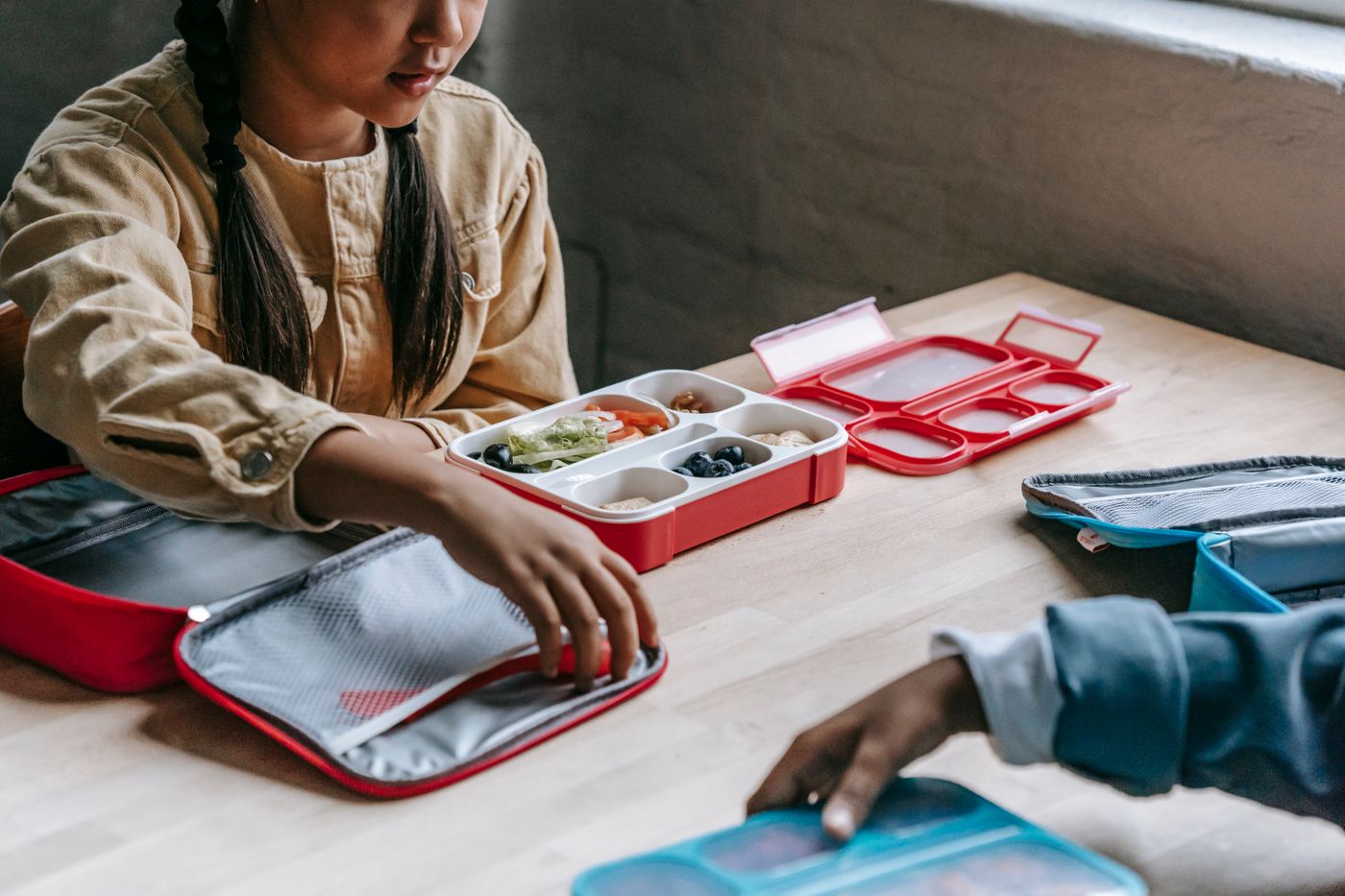
Every August, perfectly functional lunch gear develops a mysterious condition called back-to-school season.
Suddenly last year's lunch bag looks tired. The containers don't match. There are tiny stainless accessories for problems you didn't know you had. And apparently September requires a whole new system for carrying lunch to school.
Reusable lunch gear used to be a much bigger part of bare market's sales when we had a retail store. We sold it all year, but we never treated August like the annual deadline to replace everything. Now we're actually phasing much of that category out, which puts me in a slightly funny position: yes, I have lunch gear I would very much like to sell. No, I don't think you should buy it just because school starts again.
This is specifically about packing lunches for school-aged kids. If you pack lunch for yourself, much of the logic still applies, but you're not the person whose lunchbox decisions I have spent the last year accidentally researching.
buy for the problem, not the school year.
When my son started kindergarten, I bought two preloved lunch bags for $5 each. They had fork marks all over the inside. His teacher did not care. His friends did not care. He did not care. I did not care. They held lunch.
This year I bought a new, deeper bag. Not because the old ones suddenly became unacceptable, but because after a full school year I knew what the actual problem was: this kid eats a lot, and I needed more room. I'll put the first two back on Marketplace and someone else can continue their very glamorous lifecycle.
You don't need a year's worth of data before changing something. The point is to know what you're trying to fix before buying the fix.
There's an environmental argument for that too. A 2024 Nordic life-cycle assessment compared reusable and single-use takeaway containers across 13 environmental impact categories, including climate change, particulate matter, land use, water use and resource impacts. In the system modelled, the reusable container reached the preferred break-even point at around six uses and performed better across all assessed categories after 14 uses.
The researchers are clear that those numbers are not universal. Container weight, washing, transportation and reuse rates all change the outcome. The useful takeaway is simpler: "reusable" is not the finish line. Reusing it is. Read the study.
pack the kid you actually have.
I can pack food my son genuinely likes and still get it back. If I put something unexpected in his lunch without mentioning it that morning, there's a decent chance it comes home. If there isn't at least one reliable food in there, I'm taking unnecessary odds. And if I send cucumber every day in exactly the same format, eventually even cucumber apparently needs a rebrand.
So sometimes it's rounds. Sometimes sticks. Sometimes chunks. Sometimes I leave vegetables or fruit whole. My kid will eat a whole bell pepper like an apple, which may be genetic and is not broadly applicable parenting advice.
I also keep trying foods that are less reliable. Couscous has not been permanently exiled because previous couscous failed. I'll just send a small amount beside foods I know he'll eat instead of packing a container full of my own optimism.
Exposure and waste prevention don't have to be opposites.
the bigger lunch-waste problem isn't only the packaging.
"Litterless lunch" advice tends to focus on wrappers, juice boxes and disposable bags because those are the waste we can immediately see. But the food matters too.
When food is produced and never eaten, we lose the resources used to grow, manufacture, transport and store it. If it ends up in landfill, it also contributes to methane emissions. Environment and Climate Change Canada's waste hierarchy puts preventing food waste in the first place ahead of recovery, recycling or disposal. Read more from Environment and Climate Change Canada.
That upstream piece is especially interesting to me because my Master's research looked at strategies for cross-sector collaboration around food waste mitigation, using Vancouver as a case study. The scale is obviously very different, but one of the questions follows me from municipal food systems all the way down to a kindergarten lunch bag:
That's more useful to me than congratulating ourselves because the uneaten tomato came home in a reusable container.
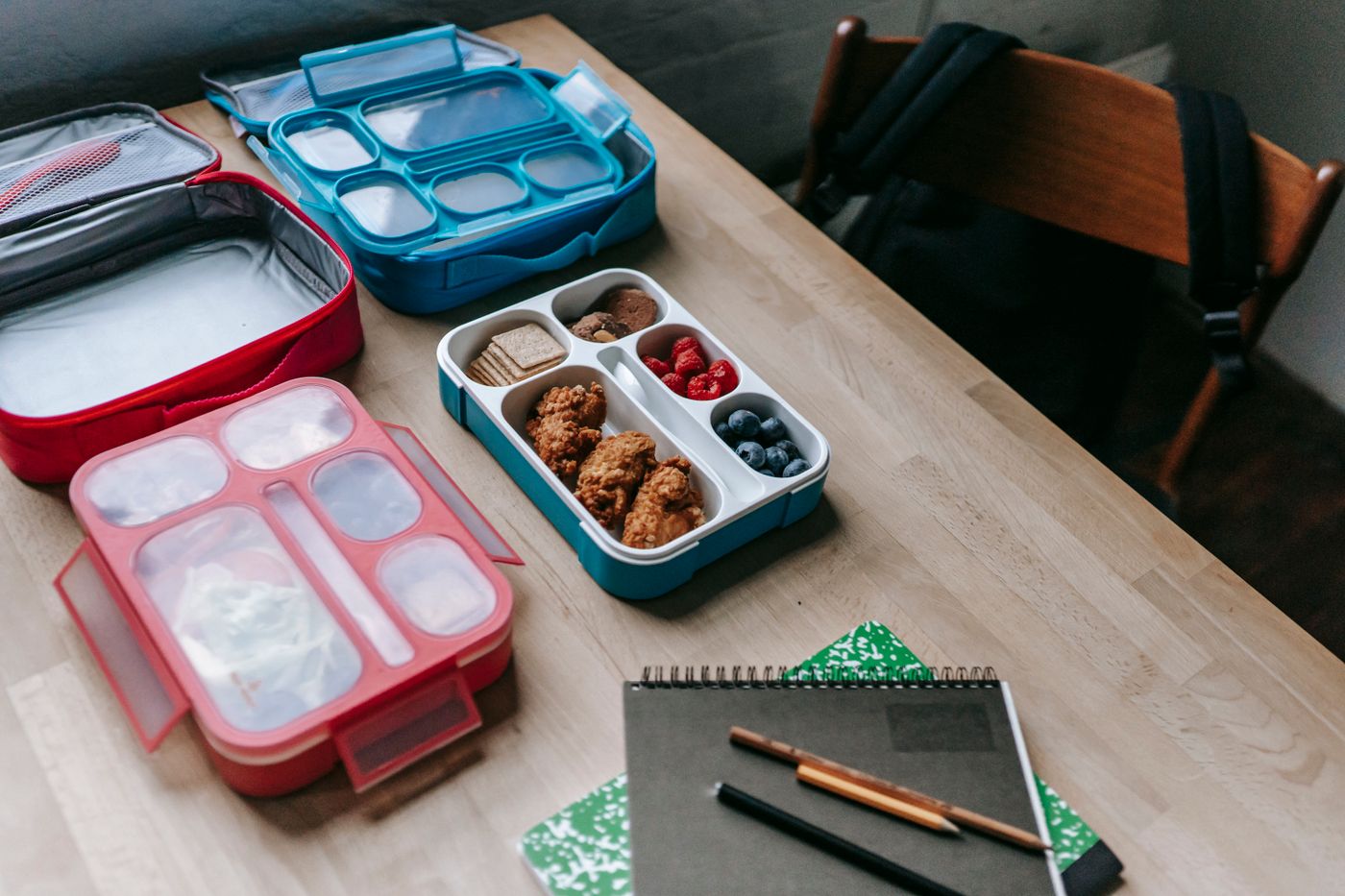
what comes home is data.
If lunch keeps coming back, look at what actually came back. A tomato is a good example in our house. My son loves tomatoes. But if I put a cut tomato into a container with other food, everything gets wet. Then the tomato may come home along with the food it contaminated. Tomatoes are now mostly an at-home food.
Other days, the answer is apparently: "I ran out of time." I don't know exactly how much of that means genuinely insufficient eating time versus talking to his friends instead of eating, but the time issue isn't imaginary.
A randomized study of elementary- and middle-school-aged children compared 10 minutes with 20 minutes of seated lunch time. With 20 minutes, children ate significantly more fruit and vegetables and wasted significantly less of both. Entrée and beverage consumption didn't significantly change. Read the study.
So "they didn't eat it" doesn't always tell us much by itself.
try a one-week lunch audit.
- Pack lunch as usual.
- Ask your kid to bring uneaten food home instead of tossing it at school. That way you can actually see what came back.
- If they're old enough, have them help pack and unpack the lunch.
- Look at what's left before automatically throwing or composting it.
- Watch for patterns: quantity, difficult-to-open containers, foods that make other foods wet or unappealing, unexpected foods, boredom or not enough time.
- Change one thing you can control and see what happens.
In our house, probably nine times out of ten, uneaten snacks are offered again after school and eaten then. If they aren't going to be eaten, we compost them at home rather than sending them to the garbage. That's a food-safety judgement I make based on the food and how it was stored, not blanket food-safety advice for anyone else.
The bigger point is that bringing the food home makes the waste visible. You can't adjust what you never see.
the lunch gear that actually earned its place.
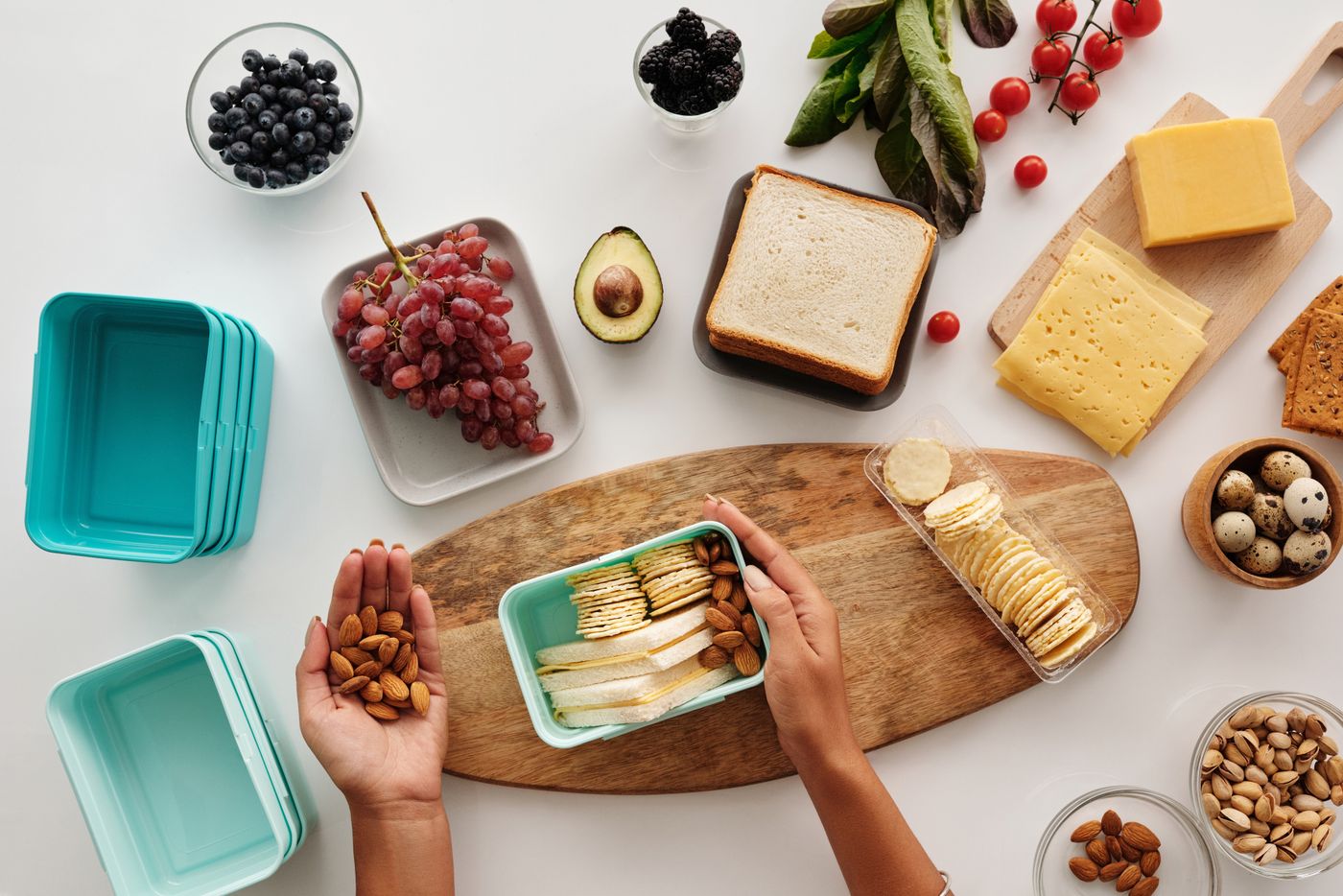
Our setup is not especially aspirational. The main meal usually resembles something he already eats at home, packed in a lightweight stainless container or insulated thermos. Snacks go into a few simple reusable plastic containers, usually mixed rather than separated into a tiny Pinterest grid.
There's always a metal fork or spoon, and little condiment containers get used constantly for ketchup, maple syrup or guacamole because they let me send familiar food the way he actually likes eating it.
His stainless water bottle stays outside the lunch bag. It keeps the water cold all day, leaves more room for food and saves some wear and tear on the lunch bag itself. We don't send juice, not because sugar is forbidden in our house, but because we want water to be the default drink and it also happens to create less packaging.
I've never used an ice pack.
And some reusable products have absolutely not earned permanent lunch-bag status. Our attached three-compartment container is too small for his appetite and more annoying to clean than separate containers. I tried our dual collapsible silicone container once and found it too deep for him and too bulky in the lunch bag. It may be useful somewhere else in our house. I'm not going to buy another container just to conduct a smaller-container trial.
what changes as kids get older.
The questions aren't identical from kindergarten through middle school. For younger kids, you may care most about whether they can open everything themselves, whether familiar food is easy to find, whether there's enough time to manage a pile of little containers and whether the lunch physically fits.
As kids get older, appetite may jump. They may need food for after-school activities. They may care much more about what they're willing to carry around. They can also increasingly tell you exactly what isn't working and take some responsibility for packing and unpacking it.
So the useful exercise isn't really "what should a five-year-old lunch look like?" It's:
before you buy another lunch container.
Pack a normal lunch using what you already own. Better yet, unpack it together at the end of the day.
Then look for the actual problem:
- Not enough room?
- Main meal won't stay warm?
- Need somewhere for dip or sauce?
- Lid genuinely difficult for your kid to open?
- One container taking up half the bag?
- Appetite outgrown last year's setup?
- Nothing wrong at all?
If the answer is that nothing is wrong, congratulations. Your back-to-school lunch shopping may already be finished.
If there is a gap, we've pulled together a small lunch edit from the reusable food-storage products we still carry while we phase much of the category out. Some of those products solve very specific problems beautifully. Some will be completely unnecessary in your house.
Both are useful things to know.
your turn.
What has actually earned permanent lunch-bag status in your house? What keeps coming home? And what supposedly brilliant reusable lunch product turned out to be a complete dud?
Leave your tips in the comments. Other parents need the field research.
explore the lunch edit →